How to Start a Coin Collection
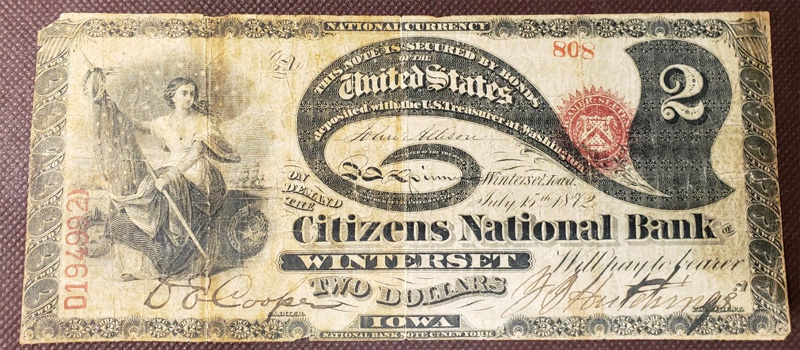
An Original Series "Lazy Deuce" National Bank Note — one of the earliest types of nationally chartered bank currency.
Decide What Interests You
The best coin collections start with genuine curiosity. Before spending a dollar, think about what draws you to coins in the first place. Some collectors focus on a single series, such as Lincoln cents or Mercury dimes, and try to fill every date and mintmark. Others prefer type sets, collecting one example of each major design in U.S. coinage history. There are also collectors who zero in on a specific era, like Civil War-era tokens or early 20th-century gold. Picking a focus gives your collection a sense of direction and makes the hunt more satisfying than buying at random.
Essential Supplies for New Collectors
You do not need much equipment to get started, but a few basics will protect your investment from the very first coin. Pick up a supply of 2x2 cardboard flips or non-PVC plastic holders to house individual coins. A magnifying loupe with at least 5x magnification lets you examine details that matter for grading and authentication. A copy of the current "Red Book" (A Guide Book of United States Coins) is indispensable — it lists mintage figures, key dates, and approximate retail values for virtually every U.S. coin ever struck. Many experienced collectors still consult theirs regularly.
Setting a Realistic Budget
One of the great things about coin collecting is that you can start with almost any budget. Rolls of circulated wheat pennies or war nickels can be picked up for a few dollars and still offer the thrill of the search. The important thing is to set a monthly or annual spending limit that you are comfortable with and stick to it. Resist the urge to make impulse purchases on expensive coins before you have enough knowledge to evaluate them properly. A collection built slowly with well-chosen pieces will always outperform one assembled through hasty spending.
Where to Buy Coins
There are several reliable channels for acquiring coins. Local coin shops and established dealers offer the advantage of examining coins in person before you buy — and a good dealer will share their expertise freely. Coin shows bring together dozens of dealers under one roof and are excellent places to compare prices and learn. Online marketplaces and auction houses provide access to a huge selection, though you will want to buy from sellers with strong reputations and solid return policies. As your knowledge grows, you will develop preferred sources and relationships with dealers you trust.
Learn Before You Spend
The single most valuable investment a new collector can make is time spent learning. Read about the series that interests you, study photographs of coins in different grades, and attend local coin club meetings if one exists in your area. The more you know about what makes a coin valuable — mintage, condition, variety, and demand — the better equipped you will be to spot good deals and avoid overpaying. Every seasoned collector will tell you the same thing: the coins you regret are the ones you bought before you understood what you were looking at.