How to Sell Your Coin Collection for the Best Price
Whether you've spent decades building a collection or you're looking to liquidate a few key pieces, selling coins well comes down to preparation. The difference between a disappointing sale and a great one is almost always what happens before you walk through a dealer's door. Rushing the process is the single most expensive mistake sellers make, and it's entirely avoidable.
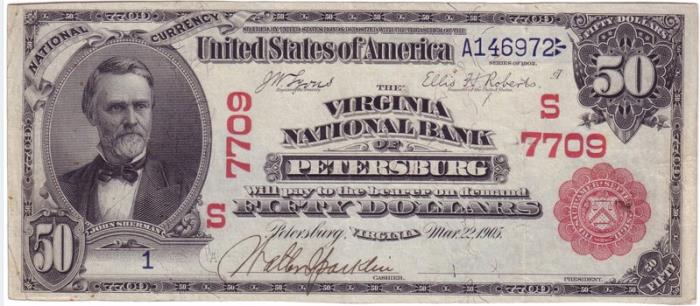
A 1902 $50 Red Seal National Bank Note from Petersburg, Virginia — the kind of valuable piece worth getting multiple offers on.
Know What You Have Before You Sell
Before you get a single offer, take time to understand what's in your collection. Look up your coins in a current edition of the Red Book (A Guide Book of United States Coins) or use online references like PCGS CoinFacts or NGC's coin explorer. You don't need to become an expert, but you should have a ballpark idea of what key dates, mint marks, and denominations are worth. Dealers can tell immediately when a seller has no idea what they're holding, and while a reputable dealer won't take advantage of that, not every buyer you encounter will be reputable.
Get Multiple Offers
This is the most important step most sellers skip. Just as you'd get multiple quotes for a home repair, you should get at least three offers on your collection. Prices can vary significantly from one buyer to the next depending on their current inventory, specialties, and customer base. A dealer who specializes in Morgan dollars may pay more for those than a general coin shop would, and vice versa. Keep written notes on each offer so you can compare them clearly. If one offer is dramatically higher or lower than the others, that should prompt further investigation.
Understand Your Selling Options
You have several avenues for selling, and each has tradeoffs. Selling to a local coin dealer is the fastest and simplest option, but you'll typically receive 60-80% of retail value because the dealer needs margin to resell. Auction houses can sometimes achieve higher prices, especially for rare or high-grade coins, but they charge seller's fees (often 10-20%) and it may take months to receive payment. Online marketplaces like eBay give you access to a large buyer pool but require time, shipping logistics, and carry some risk of disputes. For most collections, a combination of approaches works best: sell common material to a dealer for convenience, and auction or privately sell the standout pieces.
Timing and Common Mistakes
Precious metal prices affect the floor value of gold and silver coins, so it's worth checking spot prices before selling bullion-heavy collections. However, for numismatic coins where the collector value far exceeds melt value, market timing matters less than finding the right buyer. The biggest mistakes sellers make are cleaning coins (which destroys value), accepting the first offer without shopping around, and selling an entire collection as a single lot when individual pieces might bring significantly more sold separately. A little patience and preparation can easily mean the difference of 20-40% in what you take home.
If you're unsure where to start, bring your collection in for a no-obligation evaluation. A knowledgeable dealer will walk you through what you have and help you understand your options, with no pressure to sell on the spot.