How to Get a Fair Coin Appraisal
Getting a fair appraisal is the foundation of any good coin transaction, whether you're selling, insuring, or simply trying to understand what your collection is worth. But many people don't realize there's a meaningful difference between an appraisal and a purchase offer, and confusing the two can cost you money. Understanding how the appraisal process works puts you in a much stronger position.
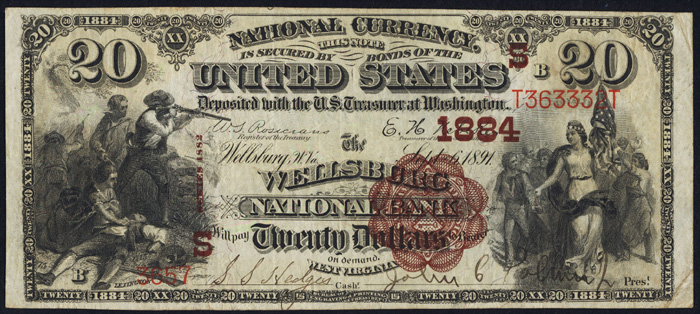
An 1882 $20 Brown Back National Bank Note — a high-value piece where professional appraisal is essential.
Appraisal vs. Purchase Offer
An appraisal is an independent assessment of your coins' fair market value. A purchase offer is what someone is willing to pay you right now, which will always be lower than the appraised value because the buyer needs room for profit. These are two fundamentally different numbers. When a dealer says your collection is "worth" a certain amount, make sure you understand which number they're giving you. A reputable appraiser will provide a written document listing each significant coin, its estimated grade, and its current market value. A purchase offer, by contrast, is a business proposal. Both are useful, but they serve different purposes.
Finding a Qualified Appraiser
Look for appraisers who hold membership in the American Numismatic Association (ANA) or are affiliated with recognized professional organizations. Experience matters enormously in coin grading, which is subjective and takes years to develop. Ask potential appraisers about their background, how long they've been working with coins, and what areas they specialize in. If you have a collection heavy in early American copper, for example, you want someone who knows that market specifically. Also ask whether the appraiser is willing to provide a written appraisal and what their fee structure looks like. Qualified appraisers typically charge by the hour or by the collection, not as a percentage of value.
Red Book Value vs. Market Value
The Red Book (A Guide Book of United States Coins) is an excellent reference, but the prices listed are retail estimates that may not reflect what your specific coin would sell for today. Actual market value depends on the coin's precise grade, current demand, recent auction results, and the specific variety. A coin listed at $500 in the Red Book might sell for $300 in one condition and $1,200 in another. Online price guides from PCGS and NGC tend to be more current and granular, but even those are guides, not guarantees. A skilled appraiser uses reference prices as a starting point and adjusts based on their knowledge of the current market.
Free vs. Paid Appraisals
Many coin dealers offer free verbal appraisals, and these can be perfectly legitimate, especially for smaller collections or when you're just trying to get a general sense of value. However, free appraisals from dealers who also want to buy your coins carry an inherent conflict of interest. For collections worth more than a few thousand dollars, paying for an independent appraisal is almost always worth the cost. A paid appraisal from someone who has no financial stake in buying your coins gives you an unbiased baseline. You can then take that appraisal to multiple dealers and compare their purchase offers against it.
Preparing Your Coins for Appraisal
Don't clean, polish, or rearrange your coins before an appraisal. Bring them in whatever holders, albums, or containers they're currently stored in. If you have any documentation, purchase receipts, previous appraisals, or notes from the original collector, bring those along as well. This information helps the appraiser understand the collection's history and can sometimes reveal details that aren't immediately obvious from the coins alone. A good appraiser will take the time to examine each significant piece individually and explain what they're seeing, which is also a valuable learning opportunity for you.